Buy techpushups.com ?
We are moving the project
techpushups.com .
Are you interested in purchasing the domain
techpushups.com ?
domain@kv-gmbh.de · 0541-91531010
Buy techpushups.com ?
What is the hardware reserved for?
Hardware reserved memory is set aside for use by the system's hardware devices, such as the graphics card, network card, and other integrated components. This memory is not accessible to the operating system or applications, and is used exclusively by the hardware devices for their operations. It is essential for ensuring that the hardware components have the necessary resources to function properly and efficiently. **
For which hardware is 8 GB reserved?
8 GB of RAM is typically reserved for high-performance computers, gaming consoles, and professional workstations. These devices require a large amount of memory to handle intensive tasks such as gaming, video editing, 3D rendering, and virtualization. By reserving 8 GB of RAM, these systems can run multiple applications simultaneously without experiencing performance issues. **


Similar search terms for Reserved
Top-Angebote
Products related to Reserved:
-
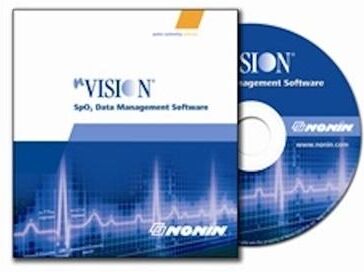
Nonin Medical nVision Data Management Software for Oximetry Screening""" nVision SpO2 Data Management Software Nonin's innovation in pulse oximetry has led to the development of an easy oximetry reporting solution nVISION. Designed to provide effortless viewing, professional analysis, report generation and reliable..."441,00 $*Shipping: 0,00 $Secure redirect to the provider
-
Sesderma Reti Age 5 Liposomal Serum Anti-Aging Innovation 30mLA facial serum for wrinkles and signs of ageing. Reduces wrinkles and fine lines. Hydrates and strengthens barrier. Restores youthful radiance. 5-Retinoid System: smooths wrinkles, accelerates renewal, and boosts collagen. Biomimetic Peptides: fill expression lines by stimulating collagen synthesis.54,51 £*Shipping: 5,34 £Secure redirect to the provider



-
How much RAM is reserved for hardware?
Typically, a portion of the RAM in a computer is reserved for hardware such as the operating system, drivers, and other essential system processes. The amount of RAM reserved for hardware can vary depending on the specific system configuration and requirements. In general, it is recommended to have at least 4GB of RAM reserved for hardware to ensure smooth operation and efficient performance of the system. **
-
For which hardware is the memory reserved?
Memory is reserved for hardware such as the central processing unit (CPU), graphics processing unit (GPU), random access memory (RAM), and storage devices like hard drives and solid-state drives. These hardware components require memory to store and access data and instructions for processing tasks. The amount of memory reserved for each hardware component can vary depending on the specific requirements and capabilities of the device. **
-
How can one remove the RAM reserved for hardware?
To remove the RAM reserved for hardware, you would need to access the BIOS or UEFI settings of your computer. Once in the settings, look for an option related to memory allocation or memory mapping. From there, you can adjust the amount of RAM allocated for hardware. Be cautious when making changes to these settings, as it can potentially cause issues with your computer's hardware functionality. It is recommended to consult your computer's manual or seek assistance from a professional if you are unsure. **
-
What is the RAM reserved for by the hardware?
The RAM (Random Access Memory) is reserved by the hardware to temporarily store data and instructions that the CPU (Central Processing Unit) needs to access quickly. This includes running programs, operating system processes, and data that is being actively used by the computer. The RAM allows for quick access and retrieval of data, which is essential for the smooth and efficient operation of the computer. **


How can one remove the memory reserved for hardware?
To remove the memory reserved for hardware, you can typically adjust the settings in the BIOS or UEFI firmware of your computer. By accessing these settings during the boot process, you can locate the option to adjust the amount of memory allocated to hardware. Simply decrease the amount of memory allocated to hardware, save the changes, and restart your computer for the new settings to take effect. Keep in mind that removing memory reserved for hardware may impact the performance or functionality of certain components, so it's important to proceed with caution and only make changes if you are familiar with the potential consequences. **
How can the memory reserved for hardware be released?
The memory reserved for hardware can be released by disabling or removing the hardware device that is using the memory. This can be done by uninstalling the device driver or physically removing the hardware component from the system. Once the hardware is no longer using the memory, it will be released and made available for other processes and applications. Additionally, restarting the computer can also release the memory reserved for hardware as it resets the system and clears any allocated memory. **
Top-Angebote
Products related to Reserved:
-
Klutz: LEGO GadgetsThis activity kit will have you building 11 machines including a gravity powered car and a wacky boxing robot. The fun doesn't stop once you've completed all of the projects in the book - open-ended prompts will inspire you to continue experimenting...24,99 $*Shipping: 0,00 $Secure redirect to the provider
-
Nonin Medical nVision Data Management Software for Oximetry Screening""" nVision SpO2 Data Management Software Nonin's innovation in pulse oximetry has led to the development of an easy oximetry reporting solution nVISION. Designed to provide effortless viewing, professional analysis, report generation and reliable..."441,00 $*Shipping: 0,00 $Secure redirect to the provider
-
What is the hardware reserved for?
Hardware reserved memory is set aside for use by the system's hardware devices, such as the graphics card, network card, and other integrated components. This memory is not accessible to the operating system or applications, and is used exclusively by the hardware devices for their operations. It is essential for ensuring that the hardware components have the necessary resources to function properly and efficiently. **
-
For which hardware is 8 GB reserved?
8 GB of RAM is typically reserved for high-performance computers, gaming consoles, and professional workstations. These devices require a large amount of memory to handle intensive tasks such as gaming, video editing, 3D rendering, and virtualization. By reserving 8 GB of RAM, these systems can run multiple applications simultaneously without experiencing performance issues. **
-
How much RAM is reserved for hardware?
Typically, a portion of the RAM in a computer is reserved for hardware such as the operating system, drivers, and other essential system processes. The amount of RAM reserved for hardware can vary depending on the specific system configuration and requirements. In general, it is recommended to have at least 4GB of RAM reserved for hardware to ensure smooth operation and efficient performance of the system. **
-
For which hardware is the memory reserved?
Memory is reserved for hardware such as the central processing unit (CPU), graphics processing unit (GPU), random access memory (RAM), and storage devices like hard drives and solid-state drives. These hardware components require memory to store and access data and instructions for processing tasks. The amount of memory reserved for each hardware component can vary depending on the specific requirements and capabilities of the device. **
Similar search terms for Reserved
-
Sesderma Reti Age 5 Liposomal Serum Anti-Aging Innovation 30mLA facial serum for wrinkles and signs of ageing. Reduces wrinkles and fine lines. Hydrates and strengthens barrier. Restores youthful radiance. 5-Retinoid System: smooths wrinkles, accelerates renewal, and boosts collagen. Biomimetic Peptides: fill expression lines by stimulating collagen synthesis.54,51 £*Shipping: 5,34 £Secure redirect to the provider
-
Elgato Wave:3 USB Condenser Microphone with Digital Mixing SoftwareThe Elgato Wave:3 is a USB condenser microphone for streaming, podcasting and content creation. It has a cardioid pickup pattern, Clipguard anti-distortion technology, a multifunction dial for gain, monitoring and crossfade, and a capacitive tap-to-mute sensor. It comes with Elgato Wave Link software, a digital mixer for balancing and routing up to nine audio sources. Connects by USB-C.157,49 £*Shipping: 0,00 £Secure redirect to the provider
-
HPE Networking Instant On AP22 Wi-Fi 6 Access PointWall or ceiling-mountable Wi-Fi 6 access point supporting dual-band operation (2.4 GHz and 5 GHz) with maximum data rates of 574 Mbps and 1.2 Gbps respectively. Powered by PoE connectivity and includes Bluetooth support, delivering enterprise-grade wireless coverage for indoor spaces in a compact 16x16x3.7cm form factor.127,49 £*Shipping: 0,00 £Secure redirect to the provider
-
How can one remove the RAM reserved for hardware?
To remove the RAM reserved for hardware, you would need to access the BIOS or UEFI settings of your computer. Once in the settings, look for an option related to memory allocation or memory mapping. From there, you can adjust the amount of RAM allocated for hardware. Be cautious when making changes to these settings, as it can potentially cause issues with your computer's hardware functionality. It is recommended to consult your computer's manual or seek assistance from a professional if you are unsure. **
-
What is the RAM reserved for by the hardware?
The RAM (Random Access Memory) is reserved by the hardware to temporarily store data and instructions that the CPU (Central Processing Unit) needs to access quickly. This includes running programs, operating system processes, and data that is being actively used by the computer. The RAM allows for quick access and retrieval of data, which is essential for the smooth and efficient operation of the computer. **
-
How can one remove the memory reserved for hardware?
To remove the memory reserved for hardware, you can typically adjust the settings in the BIOS or UEFI firmware of your computer. By accessing these settings during the boot process, you can locate the option to adjust the amount of memory allocated to hardware. Simply decrease the amount of memory allocated to hardware, save the changes, and restart your computer for the new settings to take effect. Keep in mind that removing memory reserved for hardware may impact the performance or functionality of certain components, so it's important to proceed with caution and only make changes if you are familiar with the potential consequences. **
-
How can the memory reserved for hardware be released?
The memory reserved for hardware can be released by disabling or removing the hardware device that is using the memory. This can be done by uninstalling the device driver or physically removing the hardware component from the system. Once the hardware is no longer using the memory, it will be released and made available for other processes and applications. Additionally, restarting the computer can also release the memory reserved for hardware as it resets the system and clears any allocated memory. **
* All prices are inclusive of VAT and, if applicable, plus shipping costs. The offer information is based on the details provided by the respective shop and is updated through automated processes. Real-time updates do not occur, so deviations can occur in individual cases. ** Note: Parts of this content were created by AI.