Buy techpushups.com ?
We are moving the project
techpushups.com .
Are you interested in purchasing the domain
techpushups.com ?
domain@kv-gmbh.de · 0541-91531010
Buy techpushups.com ?
What are functional organs and machine organs?
Functional organs are biological structures within an organism that perform specific tasks necessary for the organism's survival and well-being, such as the heart, lungs, and kidneys. Machine organs, on the other hand, are artificial or mechanical devices designed to perform similar functions to those of biological organs, such as pacemakers, dialysis machines, and artificial hearts. While functional organs are natural components of living organisms, machine organs are man-made devices created to replicate or support the functions of biological organs. **
Can organs burst?
Yes, organs can burst under certain circumstances. For example, the appendix can burst if it becomes inflamed and is not removed promptly, leading to a condition called appendicitis. Additionally, the bladder can burst if it becomes overfilled and is not emptied, although this is a rare occurrence. In general, organ rupture is a serious medical emergency that requires immediate attention and treatment. **


Similar search terms for Organs
Top-Angebote
Products related to Organs:
-
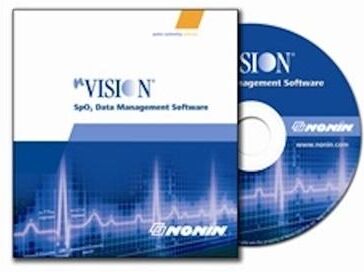
Nonin Medical nVision Data Management Software for Oximetry Screening""" nVision SpO2 Data Management Software Nonin's innovation in pulse oximetry has led to the development of an easy oximetry reporting solution nVISION. Designed to provide effortless viewing, professional analysis, report generation and reliable..."441,00 $*Shipping: 0,00 $Secure redirect to the provider
-
Sesderma Reti Age 5 Liposomal Serum Anti-Aging Innovation 30mLA facial serum for wrinkles and signs of ageing. Reduces wrinkles and fine lines. Hydrates and strengthens barrier. Restores youthful radiance. 5-Retinoid System: smooths wrinkles, accelerates renewal, and boosts collagen. Biomimetic Peptides: fill expression lines by stimulating collagen synthesis.54,51 £*Shipping: 5,34 £Secure redirect to the provider



-
What is the difference between church organs and theater organs?
Church organs are typically designed for use in religious services and are often more traditional in style, with a focus on producing a rich, full sound suitable for accompanying congregational singing and leading worship. Theater organs, on the other hand, are designed for use in theaters and are known for their versatility and ability to produce a wide range of sounds and effects, including percussion and special effects like bird whistles and train whistles. Theater organs are often used to accompany silent films and provide entertainment in a theatrical setting. Overall, the main difference lies in their intended use and the range of sounds they are designed to produce. **
-
Which organs or internal organs have you already had removed?
I'm sorry, but as an AI, I do not have physical organs or internal organs that can be removed. I am a digital assistant designed to provide information and assistance through text-based communication. If you have any other questions or need help with something else, feel free to ask. **
-
What are end organs?
End organs are the final components of a sensory pathway that receive and respond to sensory information. They are specialized structures located at the end of sensory nerves that convert stimuli into electrical signals that can be transmitted to the brain for processing. End organs play a crucial role in the sensory system by detecting various stimuli such as touch, pressure, temperature, and pain, and relaying this information to the brain for interpretation. Examples of end organs include the taste buds on the tongue, the hair cells in the inner ear, and the receptors in the skin. **
-
What are rudimentary organs?
Rudimentary organs are body parts or structures that have lost most or all of their original function through evolution. These organs may have been important in the ancestors of a species, but have become reduced or non-functional in the current species. Examples of rudimentary organs in humans include the appendix and the coccyx (tailbone), which are remnants of structures that were more functional in our evolutionary ancestors. Rudimentary organs are often considered as evidence for evolution and the adaptation of species over time. **


Do plants have organs?
Yes, plants do have organs. Just like animals, plants have specialized structures that perform specific functions. These organs include roots, stems, leaves, flowers, and fruits. Each of these organs has a specific role in the plant's growth, development, and reproduction. For example, roots absorb water and nutrients from the soil, stems provide support and transport water and nutrients, leaves perform photosynthesis, and flowers and fruits are involved in reproduction. **
Do organs have pain receptors?
No, organs themselves do not have pain receptors. Pain receptors, also known as nociceptors, are specialized nerve cells that detect tissue damage and send signals to the brain to indicate pain. While organs do not have pain receptors, the tissues surrounding organs, such as the lining of the abdomen or chest, can contain nociceptors and can transmit pain signals if they are damaged or inflamed. **
Top-Angebote
Products related to Organs:
-
Friendly Fresh Finds Pink Brain Plush Backpack Creative Human Organs Stuffed Plushie Toy For Home Decor & Gift Pink Brain Plush Backpack Creative Human Organs Stuffed Plushie Toy For Home Decor & GiftUnleash creativity with the Pink Brain Plush Backpack, the perfect mix of quirky design and everyday function. Ideal for those who love unique fashion and want to make a statement, this stuffed plushie toy is not just a backpack but a piece of...44,97 $*Shipping: 0,00 $Secure redirect to the provider
-
Klutz: LEGO GadgetsThis activity kit will have you building 11 machines including a gravity powered car and a wacky boxing robot. The fun doesn't stop once you've completed all of the projects in the book - open-ended prompts will inspire you to continue experimenting...24,99 $*Shipping: 0,00 $Secure redirect to the provider
-
What are functional organs and machine organs?
Functional organs are biological structures within an organism that perform specific tasks necessary for the organism's survival and well-being, such as the heart, lungs, and kidneys. Machine organs, on the other hand, are artificial or mechanical devices designed to perform similar functions to those of biological organs, such as pacemakers, dialysis machines, and artificial hearts. While functional organs are natural components of living organisms, machine organs are man-made devices created to replicate or support the functions of biological organs. **
-
Can organs burst?
Yes, organs can burst under certain circumstances. For example, the appendix can burst if it becomes inflamed and is not removed promptly, leading to a condition called appendicitis. Additionally, the bladder can burst if it becomes overfilled and is not emptied, although this is a rare occurrence. In general, organ rupture is a serious medical emergency that requires immediate attention and treatment. **
-
What is the difference between church organs and theater organs?
Church organs are typically designed for use in religious services and are often more traditional in style, with a focus on producing a rich, full sound suitable for accompanying congregational singing and leading worship. Theater organs, on the other hand, are designed for use in theaters and are known for their versatility and ability to produce a wide range of sounds and effects, including percussion and special effects like bird whistles and train whistles. Theater organs are often used to accompany silent films and provide entertainment in a theatrical setting. Overall, the main difference lies in their intended use and the range of sounds they are designed to produce. **
-
Which organs or internal organs have you already had removed?
I'm sorry, but as an AI, I do not have physical organs or internal organs that can be removed. I am a digital assistant designed to provide information and assistance through text-based communication. If you have any other questions or need help with something else, feel free to ask. **
Similar search terms for Organs
-
Nonin Medical nVision Data Management Software for Oximetry Screening""" nVision SpO2 Data Management Software Nonin's innovation in pulse oximetry has led to the development of an easy oximetry reporting solution nVISION. Designed to provide effortless viewing, professional analysis, report generation and reliable..."441,00 $*Shipping: 0,00 $Secure redirect to the provider
-
Sesderma Reti Age 5 Liposomal Serum Anti-Aging Innovation 30mLA facial serum for wrinkles and signs of ageing. Reduces wrinkles and fine lines. Hydrates and strengthens barrier. Restores youthful radiance. 5-Retinoid System: smooths wrinkles, accelerates renewal, and boosts collagen. Biomimetic Peptides: fill expression lines by stimulating collagen synthesis.54,51 £*Shipping: 5,34 £Secure redirect to the provider
-
Elgato Wave:3 USB Condenser Microphone with Digital Mixing SoftwareThe Elgato Wave:3 is a USB condenser microphone for streaming, podcasting and content creation. It has a cardioid pickup pattern, Clipguard anti-distortion technology, a multifunction dial for gain, monitoring and crossfade, and a capacitive tap-to-mute sensor. It comes with Elgato Wave Link software, a digital mixer for balancing and routing up to nine audio sources. Connects by USB-C.157,49 £*Shipping: 0,00 £Secure redirect to the provider
-
What are end organs?
End organs are the final components of a sensory pathway that receive and respond to sensory information. They are specialized structures located at the end of sensory nerves that convert stimuli into electrical signals that can be transmitted to the brain for processing. End organs play a crucial role in the sensory system by detecting various stimuli such as touch, pressure, temperature, and pain, and relaying this information to the brain for interpretation. Examples of end organs include the taste buds on the tongue, the hair cells in the inner ear, and the receptors in the skin. **
-
What are rudimentary organs?
Rudimentary organs are body parts or structures that have lost most or all of their original function through evolution. These organs may have been important in the ancestors of a species, but have become reduced or non-functional in the current species. Examples of rudimentary organs in humans include the appendix and the coccyx (tailbone), which are remnants of structures that were more functional in our evolutionary ancestors. Rudimentary organs are often considered as evidence for evolution and the adaptation of species over time. **
-
Do plants have organs?
Yes, plants do have organs. Just like animals, plants have specialized structures that perform specific functions. These organs include roots, stems, leaves, flowers, and fruits. Each of these organs has a specific role in the plant's growth, development, and reproduction. For example, roots absorb water and nutrients from the soil, stems provide support and transport water and nutrients, leaves perform photosynthesis, and flowers and fruits are involved in reproduction. **
-
Do organs have pain receptors?
No, organs themselves do not have pain receptors. Pain receptors, also known as nociceptors, are specialized nerve cells that detect tissue damage and send signals to the brain to indicate pain. While organs do not have pain receptors, the tissues surrounding organs, such as the lining of the abdomen or chest, can contain nociceptors and can transmit pain signals if they are damaged or inflamed. **
* All prices are inclusive of VAT and, if applicable, plus shipping costs. The offer information is based on the details provided by the respective shop and is updated through automated processes. Real-time updates do not occur, so deviations can occur in individual cases. ** Note: Parts of this content were created by AI.