Buy techpushups.com ?
We are moving the project
techpushups.com .
Are you interested in purchasing the domain
techpushups.com ?
domain@kv-gmbh.de · 0541-91531010
Buy techpushups.com ?
What is an unbound electron and a free electron pair?
An unbound electron is an electron that is not associated with an atom or molecule, meaning it is free to move independently. A free electron pair refers to two electrons that are not involved in bonding with other atoms, allowing them to move freely within a material. Both unbound electrons and free electron pairs play important roles in various physical and chemical processes, such as conducting electricity in metals or participating in chemical reactions. **
What is a unbound electron and a free electron pair?
An unbound electron is an electron that is not associated with an atom or molecule, meaning it is free to move independently. A free electron pair refers to a pair of unbound electrons that are not part of a chemical bond and are free to move around. These free electrons play a crucial role in various physical and chemical processes, such as conductivity in metals and chemical reactions. **

Similar search terms for Electron
Top-Angebote
Products related to Electron:
-
Nonin Medical nVision Data Management Software for Oximetry Screening""" nVision SpO2 Data Management Software Nonin's innovation in pulse oximetry has led to the development of an easy oximetry reporting solution nVISION. Designed to provide effortless viewing, professional analysis, report generation and reliable..."441,00 $*Shipping: 0,00 $Secure redirect to the provider
-
Sesderma Reti Age 5 Liposomal Serum Anti-Aging Innovation 30mLA facial serum for wrinkles and signs of ageing. Reduces wrinkles and fine lines. Hydrates and strengthens barrier. Restores youthful radiance. 5-Retinoid System: smooths wrinkles, accelerates renewal, and boosts collagen. Biomimetic Peptides: fill expression lines by stimulating collagen synthesis.54,51 £*Shipping: 5,34 £Secure redirect to the provider




-
When does electron absorption occur and when does electron emission occur?
Electron absorption occurs when an electron gains energy and moves to a higher energy level within an atom or molecule. This can happen when the electron absorbs a photon of light or heat energy. On the other hand, electron emission occurs when an electron loses energy and moves to a lower energy level, releasing a photon of light or heat energy in the process. This can happen when an electron is excited to a higher energy level and then returns to its original energy level. **
-
What state do particles obtain through electron uptake and electron release?
Particles obtain a charged state through electron uptake and electron release. When a particle gains an electron, it becomes negatively charged, and when it loses an electron, it becomes positively charged. This process of gaining or losing electrons is known as ionization, and it results in the formation of ions with a net positive or negative charge. **
-
What is electron migration?
Electron migration refers to the movement of electrons within a material or between different materials. This movement can occur due to an electric field, temperature gradient, or other factors that influence the flow of electrons. Electron migration is a key process in electronic devices and can impact the performance and reliability of these devices. It is important to understand and control electron migration to ensure the proper functioning of electronic systems. **
-
What is electron transfer?
Electron transfer is the movement of electrons from one atom or molecule to another. This process can occur through various mechanisms, such as oxidation-reduction reactions or in the context of electron transport chains in biological systems. Electron transfer is essential for many important processes in nature, including energy production, chemical reactions, and the functioning of biological systems. **


Why do free electron pairs require more space than bonding electron pairs?
Free electron pairs require more space than bonding electron pairs because they are not involved in forming a chemical bond and are therefore more spread out. Bonding electron pairs are shared between two atoms and are held closer together, occupying less space. Free electron pairs, on the other hand, are not constrained by a bond and repel each other, causing them to spread out and require more space. This is known as the lone pair repulsion effect. **
What is the identifying characteristic of an electron acceptor and electron donor?
The identifying characteristic of an electron acceptor is that it has the ability to gain or accept electrons during a chemical reaction. On the other hand, the identifying characteristic of an electron donor is that it has the ability to lose or donate electrons during a chemical reaction. These two roles are essential in redox reactions, where electrons are transferred from the donor to the acceptor, resulting in the conversion of chemical energy. **
Top-Angebote
Products related to Electron:
-
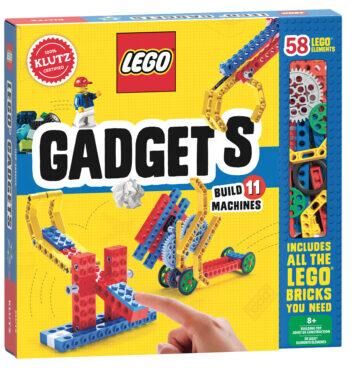
Klutz: LEGO GadgetsThis activity kit will have you building 11 machines including a gravity powered car and a wacky boxing robot. The fun doesn't stop once you've completed all of the projects in the book - open-ended prompts will inspire you to continue experimenting...24,99 $*Shipping: 0,00 $Secure redirect to the provider
-
Nonin Medical nVision Data Management Software for Oximetry Screening""" nVision SpO2 Data Management Software Nonin's innovation in pulse oximetry has led to the development of an easy oximetry reporting solution nVISION. Designed to provide effortless viewing, professional analysis, report generation and reliable..."441,00 $*Shipping: 0,00 $Secure redirect to the provider
-
What is an unbound electron and a free electron pair?
An unbound electron is an electron that is not associated with an atom or molecule, meaning it is free to move independently. A free electron pair refers to two electrons that are not involved in bonding with other atoms, allowing them to move freely within a material. Both unbound electrons and free electron pairs play important roles in various physical and chemical processes, such as conducting electricity in metals or participating in chemical reactions. **
-
What is a unbound electron and a free electron pair?
An unbound electron is an electron that is not associated with an atom or molecule, meaning it is free to move independently. A free electron pair refers to a pair of unbound electrons that are not part of a chemical bond and are free to move around. These free electrons play a crucial role in various physical and chemical processes, such as conductivity in metals and chemical reactions. **
-
When does electron absorption occur and when does electron emission occur?
Electron absorption occurs when an electron gains energy and moves to a higher energy level within an atom or molecule. This can happen when the electron absorbs a photon of light or heat energy. On the other hand, electron emission occurs when an electron loses energy and moves to a lower energy level, releasing a photon of light or heat energy in the process. This can happen when an electron is excited to a higher energy level and then returns to its original energy level. **
-
What state do particles obtain through electron uptake and electron release?
Particles obtain a charged state through electron uptake and electron release. When a particle gains an electron, it becomes negatively charged, and when it loses an electron, it becomes positively charged. This process of gaining or losing electrons is known as ionization, and it results in the formation of ions with a net positive or negative charge. **
Similar search terms for Electron
-
Sesderma Reti Age 5 Liposomal Serum Anti-Aging Innovation 30mLA facial serum for wrinkles and signs of ageing. Reduces wrinkles and fine lines. Hydrates and strengthens barrier. Restores youthful radiance. 5-Retinoid System: smooths wrinkles, accelerates renewal, and boosts collagen. Biomimetic Peptides: fill expression lines by stimulating collagen synthesis.54,51 £*Shipping: 5,34 £Secure redirect to the provider
-
Elgato Wave:3 USB Condenser Microphone with Digital Mixing SoftwareThe Elgato Wave:3 is a USB condenser microphone for streaming, podcasting and content creation. It has a cardioid pickup pattern, Clipguard anti-distortion technology, a multifunction dial for gain, monitoring and crossfade, and a capacitive tap-to-mute sensor. It comes with Elgato Wave Link software, a digital mixer for balancing and routing up to nine audio sources. Connects by USB-C.157,49 £*Shipping: 0,00 £Secure redirect to the provider
-
HPE Networking Instant On AP22 Wi-Fi 6 Access PointWall or ceiling-mountable Wi-Fi 6 access point supporting dual-band operation (2.4 GHz and 5 GHz) with maximum data rates of 574 Mbps and 1.2 Gbps respectively. Powered by PoE connectivity and includes Bluetooth support, delivering enterprise-grade wireless coverage for indoor spaces in a compact 16x16x3.7cm form factor.127,49 £*Shipping: 0,00 £Secure redirect to the provider
-
What is electron migration?
Electron migration refers to the movement of electrons within a material or between different materials. This movement can occur due to an electric field, temperature gradient, or other factors that influence the flow of electrons. Electron migration is a key process in electronic devices and can impact the performance and reliability of these devices. It is important to understand and control electron migration to ensure the proper functioning of electronic systems. **
-
What is electron transfer?
Electron transfer is the movement of electrons from one atom or molecule to another. This process can occur through various mechanisms, such as oxidation-reduction reactions or in the context of electron transport chains in biological systems. Electron transfer is essential for many important processes in nature, including energy production, chemical reactions, and the functioning of biological systems. **
-
Why do free electron pairs require more space than bonding electron pairs?
Free electron pairs require more space than bonding electron pairs because they are not involved in forming a chemical bond and are therefore more spread out. Bonding electron pairs are shared between two atoms and are held closer together, occupying less space. Free electron pairs, on the other hand, are not constrained by a bond and repel each other, causing them to spread out and require more space. This is known as the lone pair repulsion effect. **
-
What is the identifying characteristic of an electron acceptor and electron donor?
The identifying characteristic of an electron acceptor is that it has the ability to gain or accept electrons during a chemical reaction. On the other hand, the identifying characteristic of an electron donor is that it has the ability to lose or donate electrons during a chemical reaction. These two roles are essential in redox reactions, where electrons are transferred from the donor to the acceptor, resulting in the conversion of chemical energy. **
* All prices are inclusive of VAT and, if applicable, plus shipping costs. The offer information is based on the details provided by the respective shop and is updated through automated processes. Real-time updates do not occur, so deviations can occur in individual cases. ** Note: Parts of this content were created by AI.